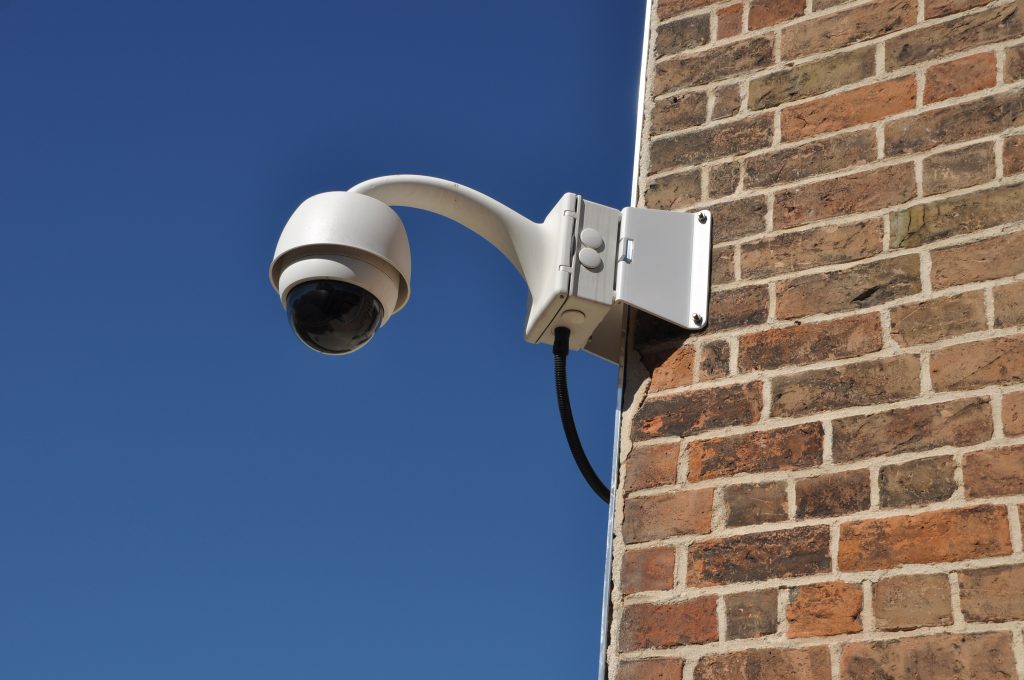
You don’t need to become a security expert to make your home safer — but a few smart moves go a long way. Start with the basics: quality doors and frames, good lighting, and layered locks. Reinforce entry points with long screws in strike plates, upgrade to solid-core or metal doors, and replace flimsy interior trim that hides vulnerabilities. Outside, motion-activated lighting and visible cameras act as both deterrents and early warning systems. Inside, use timers or smart plugs to mimic occupancy when you’re away. Small habits matter too: don’t hide spare keys in predictable spots, lock windows even on upper floors, and keep bushes trimmed so burglars can’t work unseen.
Why call a locksmith? When it comes to locks, DIY can cost you security. A licensed locksmith evaluates weak points you might miss: worn pins, improper installation, door alignment problems, or shortcuts that void lock warranties. Locksmiths offer emergency lockout service, rekeying after a move or break-in, and professional installation of high-security hardware. They can recommend locks that meet ANSI standards, install reinforced strike plates, and tailor solutions—like master-key systems or restricted-key blanks—to fit your family’s lifestyle. In short: a locksmith saves time, prevents mistakes, and gives you peace of mind.
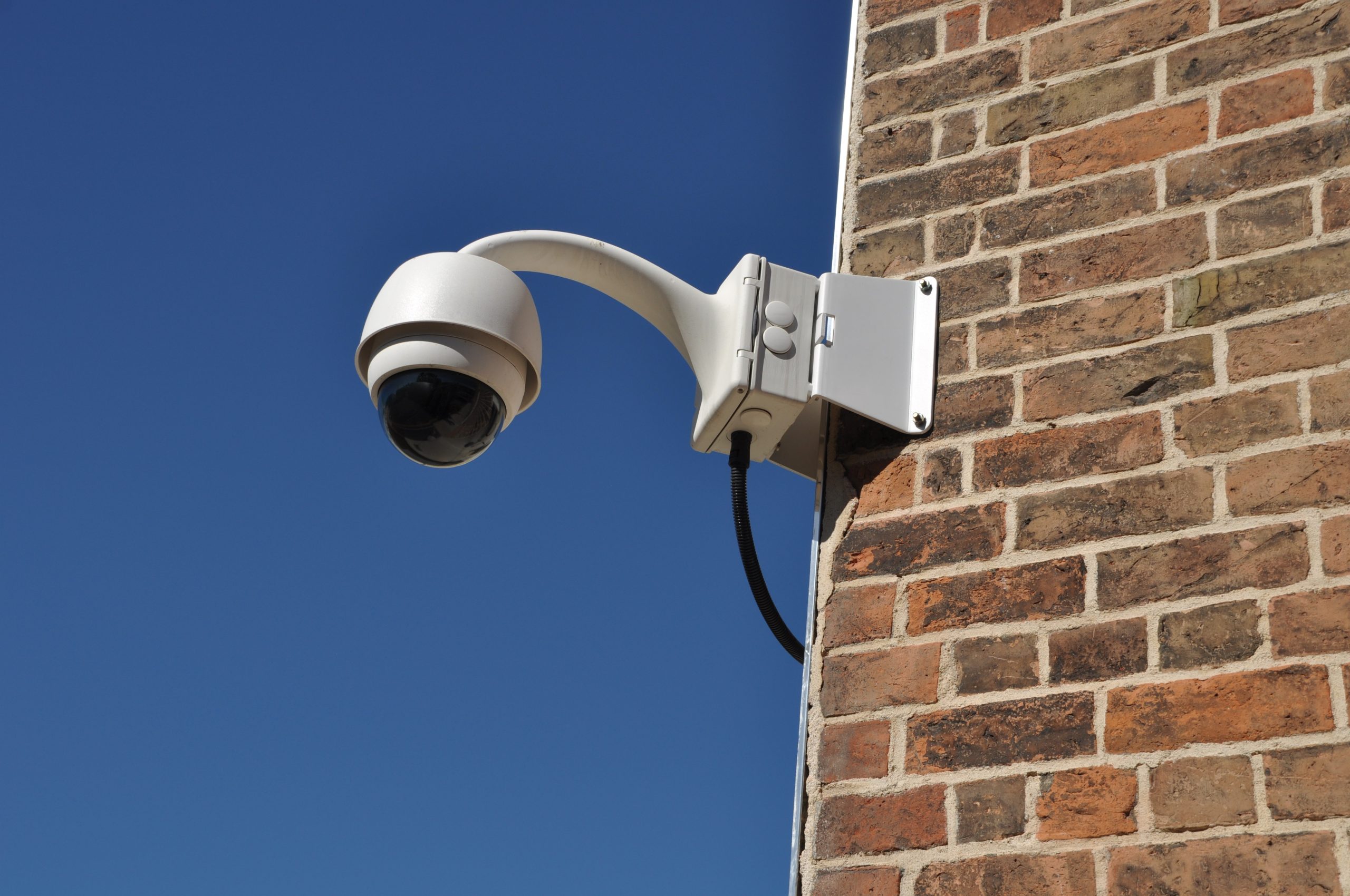
Today’s tech-savvy gear raises the bar for home protection. Video doorbells with two-way audio are a must; they let you see and speak to visitors from anywhere and store footage in the cloud. Modern cameras use AI to reduce false alerts by distinguishing people, pets, and vehicles. Smart sensors now cover more than doors and windows: glass-break detectors, flood and freeze sensors, and even vibration sensors that detect tampering. Integrate them through a hub or a smart home platform for automated responses—lights come on when motion is detected, doors lock at bedtime, and you get push notifications for unusual activity. Don’t forget network security: secure your Wi‑Fi with a strong password, enable WPA3 if available, and keep firmware patched to prevent remote exploits.
Deadbolts and electronic locks have come a long way. The latest mechanical deadbolts meet ANSI/BHMA Grade 1 standards and include features like anti-drill plates, anti-pick pins, and reinforced deadbolts that resist kick-in force. Smart deadbolts combine these physical protections with modern conveniences: keypad entry, timed access codes for guests, Bluetooth proximity unlock, and integration with smart assistants. Advanced models offer fingerprint readers, tamper alerts, encrypted wireless communication (AES-128/256), and battery backup for power outages. For home owners who want professional-level security, look for locks with anti-bump and anti-snap designs and a history of independent testing.
Security is about layers: strong hardware, smart tech, and the right expertise. Start with a professional assessment, fix glaring physical weaknesses, then add intelligent devices that fit your routine. With a little investment and the right locksmith on call, your smart home becomes a safer home—day and night.